

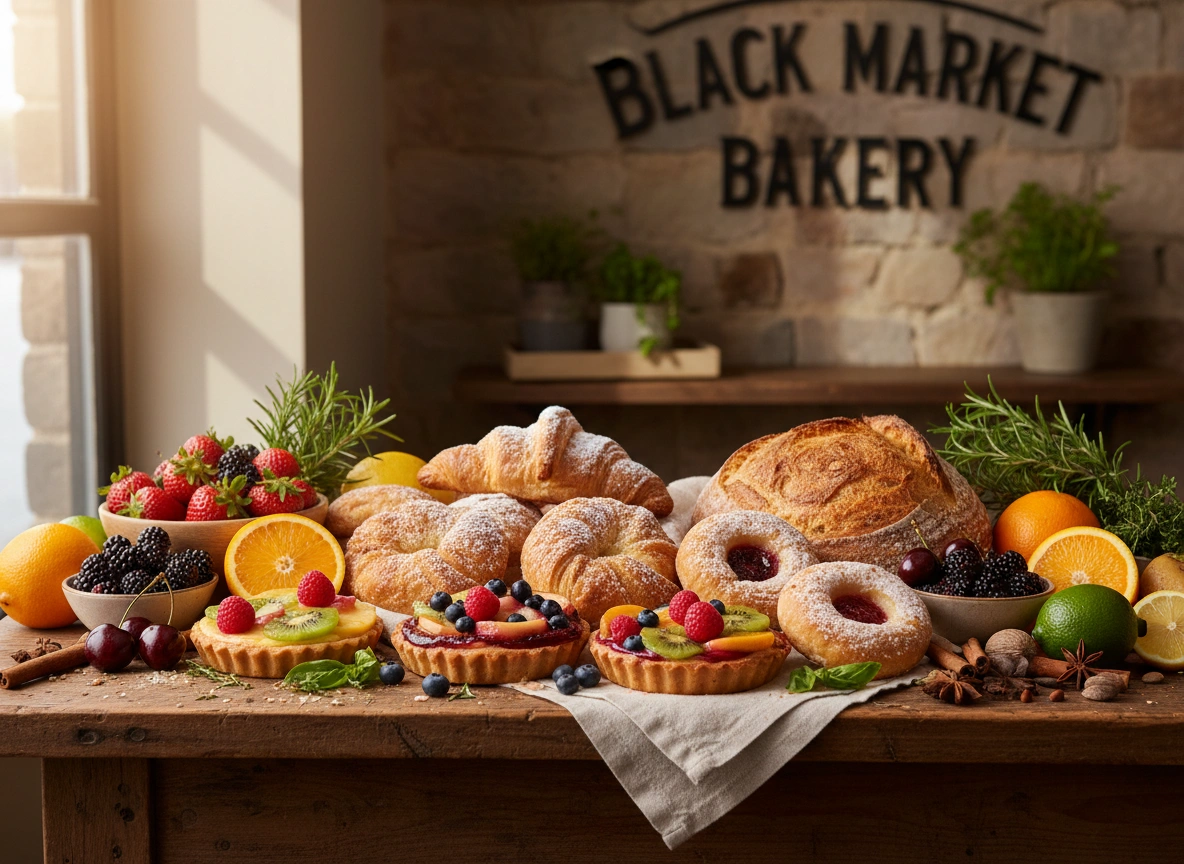
Step into a Black Market Bakery, and you’re met with more than just the comforting scent of freshly baked bread and pastries. There’s an energy, a sense of discovery that changes with the calendar. A vibrant strawberry tart might greet you in June, while a warm, spiced apple danish could be the star in October. This ever-evolving menu isn’t just a marketing gimmick; it’s the core philosophy behind their success. The secret isn’t a complex recipe or an exotic spice—it’s the bakery’s unwavering commitment to using seasonal ingredients.
This dedication to nature’s calendar provides a powerful advantage, connecting the bakery to its community, enhancing flavor, and building a sustainable business model. By prioritizing ingredients at their peak, Black Market Bakery has cultivated a loyal following and set a standard for quality in a competitive industry. This article explores how this seasonal approach shapes their brand, delights customers, and offers a blueprint for modern culinary success.
Beyond Flavor: The Value of Seasonal Sourcing
Using ingredients when they are naturally in season offers a cascade of benefits that go far beyond taste. For a business like Black Market Bakery, this strategy is both a creative inspiration and a practical advantage. It influences everything from the cost of goods to the story they tell their customers.
The Peak of Taste and Nutrition
The most immediate benefit of seasonal ingredients is superior flavor. A strawberry picked in the heart of summer is vastly different from one grown in a greenhouse in winter. The sun-ripened, locally sourced fruit is sweeter, juicier, and more aromatic. This is because produce harvested at its natural peak contains a higher concentration of natural sugars and a more complex flavor profile.
This principle applies across the board. Peaches in July are bursting with sweetness, pumpkins in autumn have a richer, earthier taste, and winter citrus like blood oranges offer a bright, zesty kick that’s impossible to replicate out of season. By building their menu around these peak moments, Black Market Bakery ensures every item they sell delivers the most impactful and authentic flavor experience possible. Customers notice this difference, even if they can’t articulate why a particular scone or pie tastes exceptionally good.
Economic and Supply Chain Advantages
Sourcing seasonally often translates into better economics. When a fruit or vegetable is in abundance locally, its price naturally decreases due to lower transportation costs and higher availability. By aligning their purchasing with these natural gluts, the bakery can manage its food costs more effectively. This allows them to invest in high-quality staples like flour, butter, and chocolate without inflating the final price for the customer.
Furthermore, building relationships with local farms creates a more resilient and transparent supply chain. The bakery gains a reliable source of fresh produce while supporting the local agricultural community. This symbiotic relationship fosters a sense of partnership and shared values, which resonates strongly with today’s conscious consumer.
Crafting an Ever-Changing Menu
A commitment to seasonal ingredients requires flexibility and creativity. Black Market Bakery’s menu is a living document, constantly adapting to what the market provides. This dynamic approach keeps the offerings exciting and gives customers a reason to return frequently.
From Spring Blossoms to Winter Comfort
The menu’s evolution follows a predictable yet delightful pattern throughout the year.
- Spring: As the weather warms, the bakery’s display cases brighten. You’ll find rhubarb tarts, strawberry-basil scones, and pastries featuring delicate floral notes like lavender or elderflower. Spring is about celebrating renewal and freshness after a long winter.
- Summer: This is the season of abundance. The menu explodes with stone fruits like peaches, nectarines, and plums. Berries of all kinds—blueberries, raspberries, blackberries—find their way into pies, muffins, and cakes. Zucchini might even make a surprise appearance in a savory bread or a sweet loaf.
- Autumn: As the air turns crisp, the flavors shift to heartier, warmer notes. Pumpkin becomes the star in everything from lattes to cheesecakes. Apples, pears, and cranberries feature prominently in crumbles, danishes, and rustic galettes. Spices like cinnamon, nutmeg, and clove become staples.
- Winter: With local fresh fruit options dwindling, the focus turns to citrus, preserved fruits, and rich, comforting ingredients. Expect to see blood orange tarts, Meyer lemon bars, and pastries filled with nuts, chocolate, and warming spices. It’s a time for indulgence and coziness.
This constant rotation does more than just showcase what’s fresh; it keeps the baking team inspired and challenged. They must continuously innovate, developing new recipes that highlight the best of what each season has to offer.
The Impact on Customer Loyalty and Experience
This dynamic menu transforms a simple bakery visit into an event. Customers learn to anticipate the arrival of their favorite seasonal treats. The “return of the pumpkin spice scone” or the “first peach pie of summer” creates buzz and excitement. This limited-time availability fosters a sense of urgency and exclusivity, encouraging customers to visit before their favorite item disappears.
This approach builds a unique relationship with the community. Customers feel connected to the agricultural cycle through their local bakery. They learn about what’s in season and develop a deeper appreciation for the food they eat. It turns a transactional purchase into a meaningful experience, fostering a level of loyalty that a static menu can rarely achieve.
Sustainability as a Brand Pillar
In an era where consumers are increasingly concerned with environmental impact, Black Market Bakery’s seasonal model is a powerful differentiator. It’s not just about good food; it’s about responsible business practices. This commitment to sustainability is woven into the fabric of their brand identity.
By sourcing locally, the bakery significantly reduces its carbon footprint. Ingredients travel shorter distances, requiring less fuel for transportation and less energy for refrigeration. This practice, known as reducing “food miles,” is a cornerstone of sustainable food systems.
Supporting local farmers also helps preserve regional agricultural diversity and green spaces. It keeps money within the local economy and ensures that small-scale, often more sustainable, farming practices can continue to thrive. When customers buy a pastry from Black Market Bakery, they are indirectly supporting a healthier local ecosystem and economy. This story of sustainability and community support is a compelling part of the brand’s appeal, attracting customers who want their purchasing decisions to align with their values.
A Model for the Modern Bakery
The success of Black Market Bakery offers a powerful lesson for the broader food industry. It demonstrates that a commitment to quality, community, and sustainability is not just ethically sound—it’s also a brilliant business strategy. They have proven that customers are willing to embrace a menu that changes with the seasons, valuing freshness and authenticity over year-round uniformity.
Their model challenges the conventional wisdom that a successful food business must offer the same core products 365 days a year. Instead, they have built a brand on the idea of impermanence and discovery. This approach requires more planning, creativity, and supplier collaboration, but the rewards are significant. It results in a superior product, a more engaged customer base, and a business that is truly integrated into its community.
In the end, Black Market Bakery’s secret is refreshingly simple. By respecting the rhythms of nature and celebrating ingredients at their absolute best, they create food that is not only delicious but also tells a story—a story of time, place, and a passion for genuine quality.
Please visit this website for more info.
