

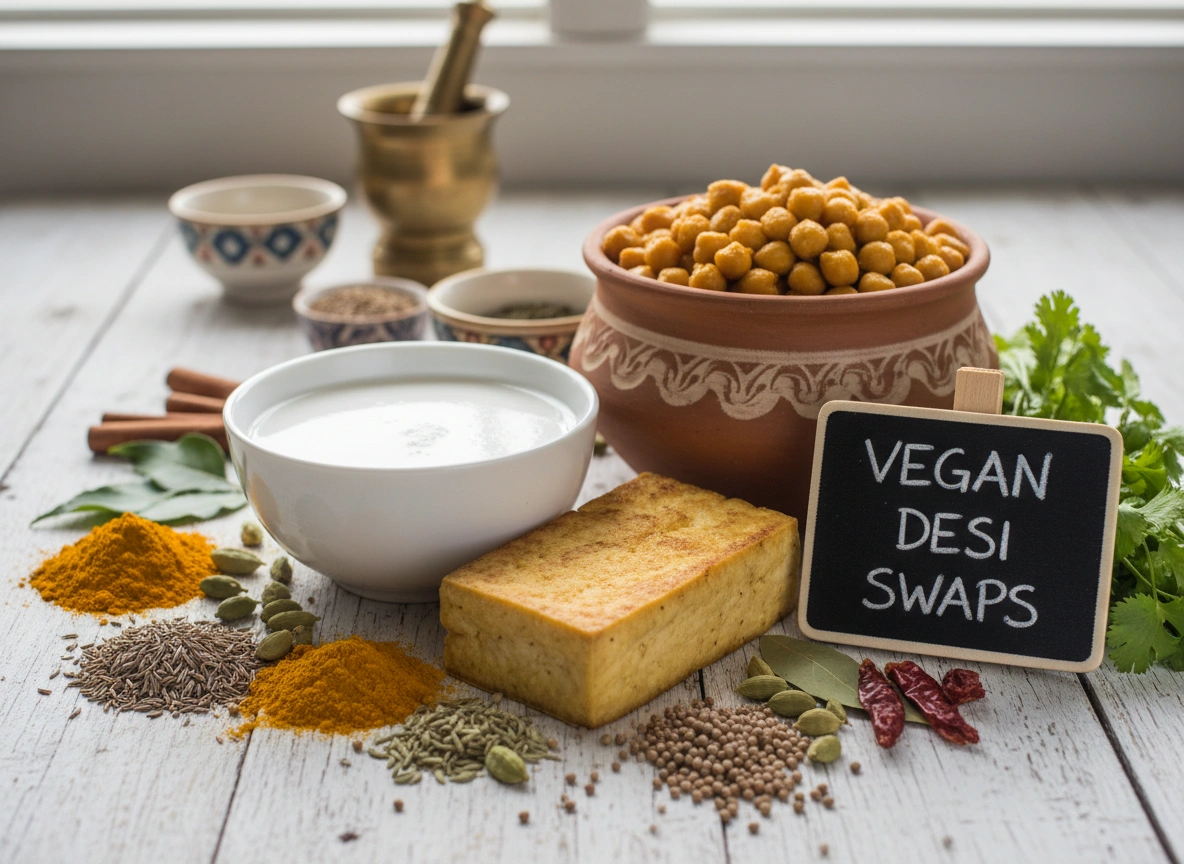
Indian cuisine is famous for its bold spices, rich textures, and deep, layered flavors. While much of Indian cooking is naturally plant-based—think lentil dals, vegetable curries (sabzis), and rice dishes—many iconic recipes rely heavily on dairy products. Ghee, yogurt, paneer, and cream are often the secret behind the velvety textures and nutty aromas that define classic Indian comfort food.
For vegans or those with lactose intolerance, replicating these traditional flavors might seem like a challenge. Can you really make a buttery Dal Makhani without butter? Is it possible to make a tangy Raita without yogurt? The answer is a resounding yes. With the right ingredients and a little culinary creativity, you can recreate your favorite Indian dishes without compromising on taste or authenticity.
In this guide, we will explore the best vegan substitutes for traditional Indian ingredients. We will break down what makes each substitute work and offer practical tips on how to use them to achieve that perfect, authentic flavor.
Ghee: The Liquid Gold of Indian Kitchens
Ghee, or clarified butter, is perhaps the most revered ingredient in Indian cooking. It is used for everything from tempering spices (tadka) to basting breads like naan and parathas. Ghee adds a distinctive nutty aroma and a high smoke point that vegetable oils often lack.
The Best Substitutes
- Vegan Butter or Ghee: Several brands now offer plant-based ghee made from vegetable oils like coconut, avocado, or palm oil. These are formulated to mimic the buttery flavor and high smoke point of traditional ghee.
- Coconut Oil: For South Indian dishes, coconut oil is an excellent and authentic substitute. It has a high smoke point and adds a subtle sweetness that pairs beautifully with curry leaves and mustard seeds.
- Neutral Oils infused with Cumin: If you can’t find vegan ghee, use a neutral oil like grapeseed or sunflower oil. To mimic the nutty complexity of ghee, temper a small amount of cumin seeds in the oil before adding your other ingredients.
How to Use:
When making a tadka (tempering), simply swap the ghee for coconut oil or vegan butter in a 1:1 ratio. If you are making sweets like Halwa or Mysore Pak, stick to store-bought vegan ghee to ensure the texture sets correctly.
Paneer: The Beloved Cottage Cheese
Paneer is a fresh, non-melting cheese that acts as a protein powerhouse in vegetarian Indian diets. It is the star of dishes like Palak Paneer, Matar Paneer, and Paneer Tikka. Its firm, spongy texture absorbs sauces beautifully.
The Best Substitutes
- Extra Firm Tofu: This is the most versatile substitute. When pressed and drained of excess water, tofu has a texture remarkably similar to paneer. It is high in protein and readily absorbs the flavors of the curry.
- Chickpea Tofu (Burmese Tofu): Made from chickpea flour (besan) and water, this soy-free alternative has a texture that is slightly softer than paneer but very creamy. It works wonderfully in softer gravies.
- Almond or Cashew Cheese Blocks: For a richer, more indulgent dish, you can use firm nut-based cheeses. These are often denser and creamier, making them perfect for rich Mughlai-style gravies.
Tips for Authentic Flavor:
Tofu can sometimes taste “beany.” To neutralize this, press the tofu for at least 30 minutes to remove water. Then, lightly pan-fry the cubes in a little oil and turmeric until golden brown before adding them to your curry. This gives the tofu a “skin” similar to fried paneer and improves the texture significantly.
Yogurt (Dahi): The Cooling Agent
Yogurt is ubiquitous in Indian meals. It is used as a marinade to tenderize “meats” (or vegetable substitutes), as a base for creamy gravies like Korma, and as a cooling side dish in the form of Raita or Chaas (buttermilk).
The Best Substitutes
- Unsweetened Coconut Yogurt: Thick and creamy, coconut yogurt is fantastic for marinades and heavy gravies. Its slight sweetness works well in spicy dishes to balance the heat.
- Unsweetened Soy or Almond Yogurt: These are better for savory applications like Raita or Kadhi (yogurt soup) because they have a more neutral flavor profile compared to coconut.
- Homemade Cashew Curd: Blend soaked cashews with water and a probiotic capsule (or a spoon of leftover vegan yogurt starter). Let it sit overnight in a warm place. This produces a rich, tangy curd that rivals dairy yogurt in creaminess.
How to Use:
For marinating tofu or vegetables for Tandoori dishes, use a thick Greek-style vegan yogurt. If making Kadhi, whisk soy yogurt with chickpea flour and water—ensure you cook it on low heat to prevent splitting, just as you would with dairy yogurt.
Heavy Cream (Malai): The Rich Finisher
Many North Indian restaurant staples, such as Tikka Masala or Malai Kofta, rely on heavy cream for their luxurious, orange-hued sauces. The cream mellows out acidity from tomatoes and heat from chilies.
The Best Substitutes
- Cashew Cream: This is the gold standard in vegan Indian cooking. Soak raw cashews in hot water for 30 minutes, then blend them with a little fresh water until completely smooth. The result is a thick, sweet, neutral cream.
- Coconut Cream: Skim the thick layer from the top of a can of full-fat coconut milk. This works exceptionally well in South Indian kormas or stews but adds a distinct coconut flavor.
- Melon Seed (Magaz) Paste: A traditional Mughal substitute even in non-vegan kitchens, magaz seeds (dried watermelon or pumpkin seeds) can be soaked and ground into a white paste to thicken curries without adding a coconut or nutty taste.
How to Use:
Stir cashew cream or coconut cream into your curry at the very end of the cooking process. Boiling it for too long can cause separation. A swirl of cashew cream on top of a finished Dal Makhani looks and tastes just like fresh Malai.
Milk (Doodh): For Sweets and Chai
Milk is essential for Indian desserts (Mithai) like Kheer (rice pudding), Gulab Jamun, and the daily cup of Masala Chai.
The Best Substitutes
- Oat Milk: For Masala Chai, oat milk is the reigning champion. It is creamy, heats well without separating, and has a neutral flavor that lets the cardamom and ginger shine.
- Almond Milk: Great for Kheer or Payasam. It adds a complementary nutty flavor that pairs well with saffron and cardamom.
- Soy Milk: A good all-purpose alternative because of its high protein content, which helps it behave like dairy milk in boiling applications.
Tips for the Perfect Vegan Chai:
Many plant milks curdle when boiled with acidic tea leaves or spices. To prevent this, brew your black tea and spices in water first. Once the decoction is strong and boiling, lower the heat and add warmed oat milk. Do not let it boil vigorously after adding the milk.
Condensed Milk (Khoya/Mawa): The Base of Sweets
Khoya consists of dried evaporated milk solids and is the building block of fudge-like sweets such as Barfi and Peda.
The Best Substitutes
- Almond Flour + Maple Syrup/Sugar: Mixing fine almond flour with a little sweetener and coconut oil creates a dough-like consistency very similar to Khoya.
- Reduced Coconut Milk: Simmer full-fat coconut milk with sugar until it reduces to a thick, sticky paste. This works well for sticky sweets like Gulab Jamun.
- Pistachio or Cashew Powder: Ground nuts provide the necessary bulk and fat content required for Indian sweets.
Meat Substitutes in Curries
While many Indians are vegetarian, meat dishes like Rogan Josh and Butter Chicken are globally popular. Vegans often want to recreate these textures.
The Best Substitutes
- Raw Jackfruit (Kathal): Young, unripe jackfruit has a stringy, meat-like texture that shreds beautifully. It is a traditional Indian ingredient used for centuries as a “meat” vegetable. It absorbs spices excellently in biryanis and curries.
- Soya Chunks (Nutrela): A staple in many Indian households, these dehydrated soy nuggets have a chewy, spongy texture. Rehydrate them in hot water, squeeze them dry, and they are ready to soak up any gravy.
- Seitan (Wheat Gluten): For a denser, chewier texture similar to mutton or lamb, seitan is excellent. It holds up well in pressure cookers and slow-cooked gravies.
Cooking Tip:
Jackfruit and Soya Chunks are flavor sponges but possess little flavor of their own. Marinate them aggressively with ginger, garlic, chili powder, and vegan yogurt for at least an hour before cooking to ensure the flavor penetrates deep inside the “meat.”
Egg Substitutes for Batters and Bindings
Eggs are sometimes used in Indian cooking for coating snacks (like cutlets) or in breads (like naan) to keep them soft.
The Best Substitutes
- Chickpea Flour (Besan) Slurry: Mix chickpea flour with water to create a thick paste. This is a traditional Indian method for binding pakoras (fritters) and works perfectly as an egg wash replacement for breading cutlets.
- Flax Egg: Mix one tablespoon of ground flaxseed with three tablespoons of warm water. Let it sit for five minutes until gelatinous. This works well as a binder in koftas (vegetable balls).
- Cornstarch Slurry: A simple mix of cornstarch and water helps seal the edges of samosas or spring rolls.
Conclusion
Transitioning to a vegan diet does not mean saying goodbye to the rich heritage of Indian cuisine. In fact, exploring these substitutes often leads to a deeper appreciation of ingredients. You might find that cashew cream makes your curry lighter yet just as rich, or that jackfruit carries the flavor of spices even better than meat.
The key to successful vegan Indian cooking is experimentation. Start with simple swaps—coconut oil for ghee, tofu for paneer—and gradually work your way up to making your own cashew curds and almond-based sweets. With these tools in your pantry, you can create a feast that is compassionate, healthy, and undeniably delicious.
Please visit this website for more info.
