

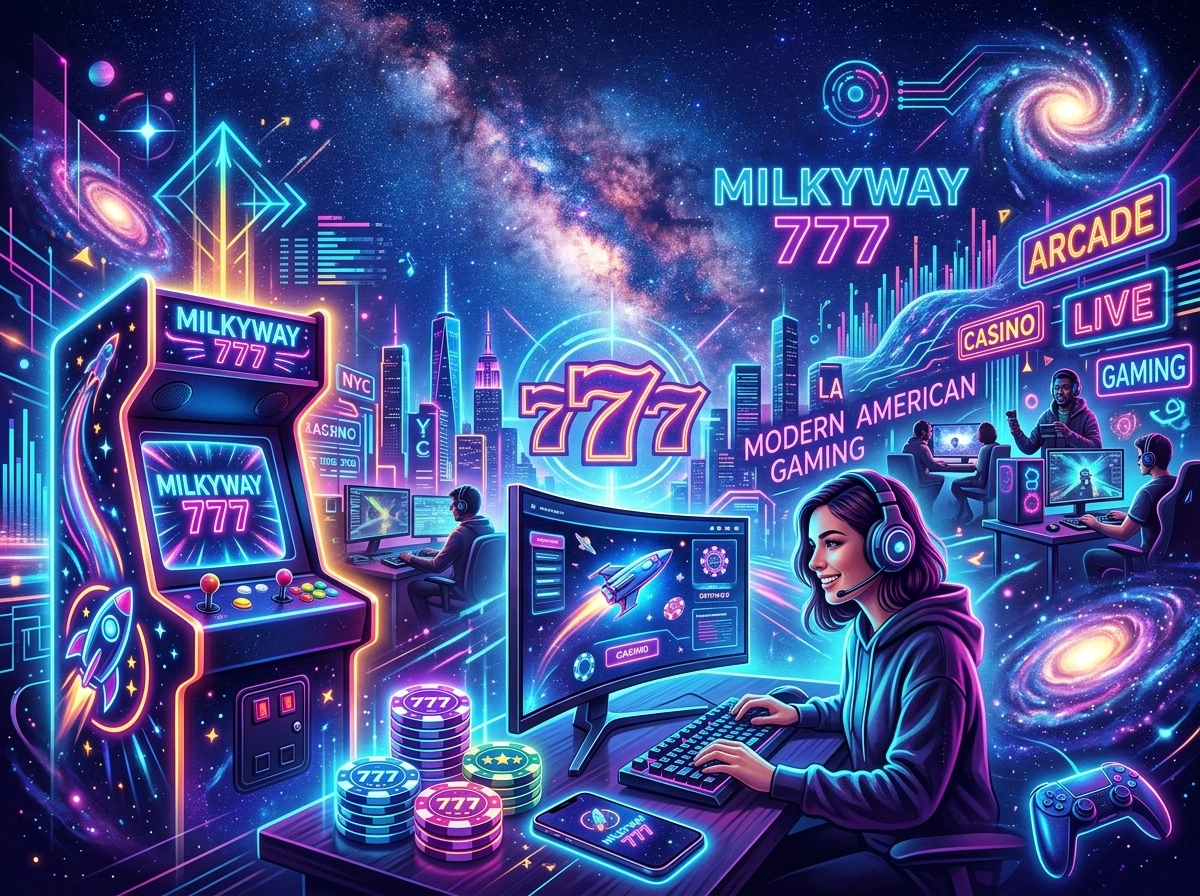
American gaming has changed more in the last decade than in the previous fifty years combined. What once meant a trip to a casino floor or a weekend in Las Vegas now happens on a smartphone during a lunch break. Players want speed, variety, and convenience, and platforms have raced to deliver all three. Among the names competing for attention in this fast-moving space, Milkyway 777 has carved out a spot worth examining. Understanding where it fits means first understanding how dramatically the landscape has shifted.
The Evolution of the American Gaming Landscape
Gaming in the United States has deep roots. For generations, brick-and-mortar casinos defined the experience. People dressed up, traveled, and made an event out of playing slots or card games. That tradition still holds value, but it no longer dominates the conversation.
The turning point came with the internet and, later, the smartphone. Suddenly, the games people loved were no longer tied to a physical location. State-by-state regulation shifts opened doors for online play in many regions, and a younger generation of players arrived with very different expectations. They grew up on mobile apps, instant downloads, and on-demand entertainment. For them, waiting in line at a casino felt outdated.
This generational shift pushed the entire industry forward. Operators that adapted thrived. Those that clung to old models struggled to stay relevant. The result is a gaming scene that blends nostalgia with cutting-edge technology, and it keeps evolving every year.
The Rise of Online Gaming Platforms
Online platforms solved a problem that traditional venues never could: access. You no longer need to live near a casino or block out an entire weekend. A few taps connect you to hundreds of games whenever the mood strikes.
This accessibility reshaped who plays and how often. Casual players who would never visit a physical casino now enjoy quick sessions from their couches. Dedicated enthusiasts appreciate the sheer range of options at their fingertips. The barrier to entry dropped, and participation climbed.
Online platforms also brought innovation that physical venues simply cannot match. Frequent game updates, themed releases, social features, and reward systems keep the experience fresh. Players expect more than just a digital version of an old slot machine. They want immersive graphics, smooth performance, and content that changes with the seasons. This is the environment where platforms like milkyway 777 have found their footing, offering a digital-first experience built for modern tastes.
Key Trends Shaping US Online Gaming
Several trends define online gaming in America right now, and they explain why certain platforms succeed while others fade.
First, there’s the demand for variety. American players don’t want a handful of games; they want a deep library that spans classic reels, modern video slots, table games, and fish-style arcade titles. Boredom is the enemy, and operators counter it with constant additions.
Second, social connection matters more than ever. Players enjoy sharing wins, competing on leaderboards, and feeling part of a community. Gaming has become as much about interaction as it is about the games themselves.
Third, trust and transparency drive loyalty. Players gravitate toward platforms that feel reliable, handle their information responsibly, and deliver fair, consistent gameplay. In a crowded market, reputation is everything.
Finally, personalization is on the rise. Players appreciate when a platform remembers their preferences, recommends games they’ll enjoy, and tailors promotions to their habits. Generic experiences no longer cut it.
What Makes Platforms Like Milkyway 777 Stand Out
In a sea of options, standing out requires more than flashy marketing. The platforms that win deliver on a few core promises.
Game selection is the foundation. A standout platform offers a broad and well-organized library, making it easy to find favorites and discover new titles. Quality matters as much as quantity, with smooth animations and engaging themes that hold attention.
Ease of use comes next. Players have little patience for clunky menus or confusing navigation. The best platforms feel intuitive from the first session, so even newcomers can jump in without a steep learning curve.
Performance seals the deal. Nothing frustrates a player faster than lag, crashes, or slow load times. Platforms that run smoothly across devices earn repeat visits and positive word of mouth. These are the qualities that help a platform compete and keep players coming back.
Player Experience at the Center
The modern gaming scene revolves around one thing above all: the player experience. Every successful platform obsesses over how the user feels from start to finish.
That experience begins with onboarding. A simple, welcoming entry point sets the tone. From there, the quality of gameplay takes over. Responsive controls, eye-catching design, and reliable performance keep players engaged session after session.
Support also plays a role. When questions arise, players want quick, helpful answers. A platform that treats its users well builds trust that no advertisement can buy. The goal is to make every interaction feel smooth and rewarding, turning first-time visitors into loyal regulars.
The Surge in Mobile Gaming
If one force defines today’s gaming scene, it’s mobile. Americans live on their phones, and gaming has followed them there. The convenience of playing anywhere, anytime, transformed expectations across the board.
Mobile gaming demands thoughtful design. Screens are smaller, sessions are shorter, and players often jump in for just a few minutes. Successful platforms optimize for touch controls, fast loading, and clean layouts that work on any device.
This shift also changed when and how people play. A quick game during a commute, a few rounds while waiting for an appointment, or an evening session at home all fit into the mobile lifestyle. Platforms built with mobile users in mind have a clear advantage, and that focus on smartphone-friendly play is exactly what keeps modern audiences engaged.
The Future of Online Gaming in America
Looking ahead, the American gaming scene shows no signs of slowing down. Several developments will likely shape what comes next.
Technology will continue to push boundaries. Improved graphics, smarter personalization, and faster performance will raise the bar for what players expect. The platforms that invest in these areas will lead the pack.
Regulation will keep evolving, too. As more states refine their rules, the market will grow and mature. This creates opportunity for platforms that operate responsibly and prioritize player safety.
Community features will deepen. Expect more social tools, competitive events, and ways for players to connect. Gaming is becoming a shared experience, and that trend will only strengthen.
Through all of this, the platforms that thrive will be those that listen to players and adapt quickly. The needs of American gamers will keep shifting, and staying relevant means staying flexible.
Final Thoughts
The modern American gaming scene is defined by access, variety, and a relentless focus on the player. Online platforms have reshaped how millions enjoy their favorite games, and mobile play has accelerated that change even further. Within this dynamic environment, a platform like Milkyway 777 fits naturally by embracing the qualities today’s players value most: a strong game library, smooth performance, and a mobile-friendly design.
As the industry continues to evolve, the winners will be the platforms that keep the player experience front and center. For American gamers seeking convenience, choice, and quality, the future looks bright, and the options have never been better.
